13 Oct 2026
Decoding the Regulatory Framework Governing Live Dealer Games for Irish Residents
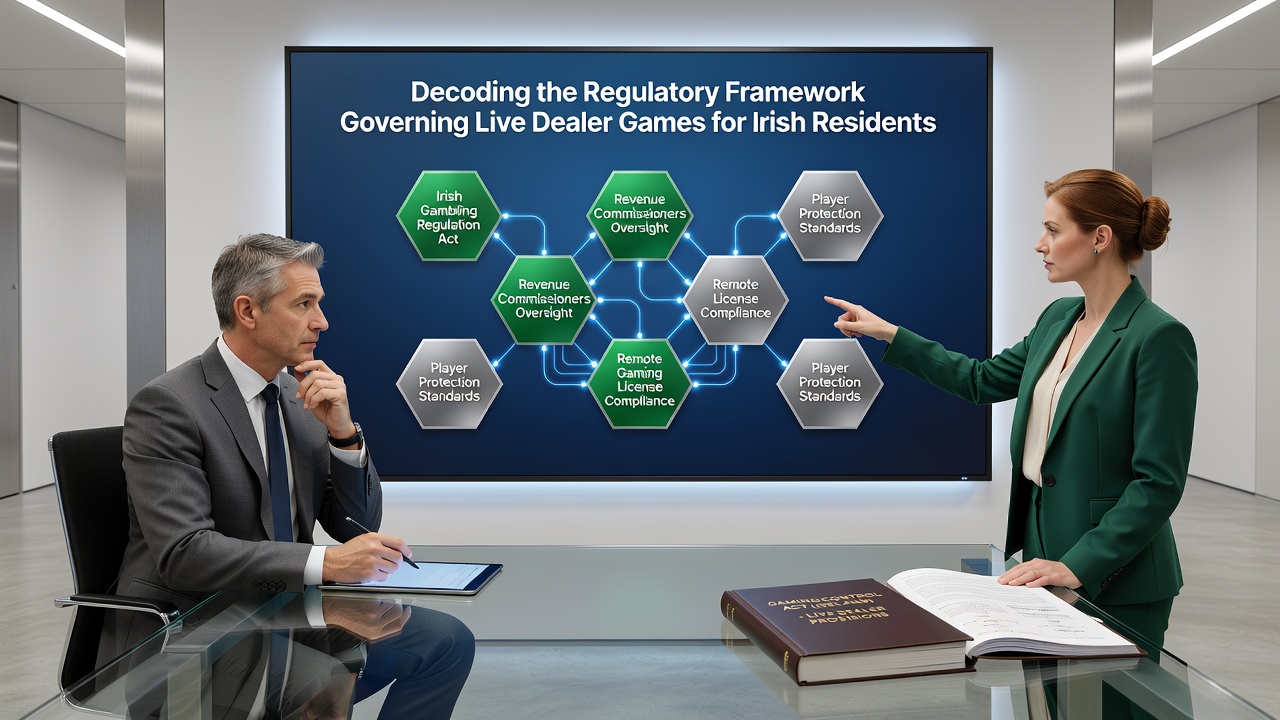
Irish residents access live dealer games through platforms that operate under a patchwork of national rules and broader European Union directives, and observers note that this structure shapes everything from licensing requirements to player protections in real time. Data from regulatory filings shows that operators must secure approvals that cover both online casino activities and the specific technical standards for live streaming, which include camera setups, dealer conduct protocols, and data encryption measures that align with Irish data protection laws. Research indicates that the Gambling Regulation Act 2024 established the foundation for these controls, creating a licensing regime that distinguishes between different game formats while requiring compliance with anti-money laundering checks at every stage of play.
Core Elements of the Irish Licensing System
Those who track regulatory developments point out that the Irish Revenue Commissioners and the newly empowered Gambling Regulatory Authority handle oversight for live dealer offerings, with applications demanding detailed evidence of fair play mechanisms and responsible gambling tools. Operators receive licenses only after demonstrating that their studios meet technical audits, and this process often involves third-party testing agencies that verify random number generators alongside the human element of dealer interactions. Figures from industry reports reveal that as of late 2025, dozens of applications remained under review, while several established providers already held conditional approvals tied to ongoing monitoring schedules.
Live dealer games differ from fully automated slots because regulators treat them as a hybrid category that blends software integrity with physical security standards, and this classification triggers additional reporting obligations. Experts observe that monthly compliance submissions must include records of game outcomes, player complaints, and any interruptions in live feeds, which authorities review to ensure continuity and fairness. And because many studios serving Irish players sit outside the jurisdiction, cross-border agreements play a key role in enforcement, allowing Irish authorities to share information with counterparts in Malta, Gibraltar, and other common licensing hubs.
EU Directives and Their Influence on Irish Rules
European Union frameworks on consumer protection and digital services continue to guide how Ireland implements its own controls, with directives on anti-money laundering and data privacy applying directly to live dealer transactions. According to analyses published by the European Commission, member states retain flexibility in licensing yet must maintain minimum standards that prevent regulatory arbitrage across borders. This creates a situation where an operator licensed for Irish residents must also satisfy EU-wide rules on advertising and age verification, even when the physical studio operates elsewhere.
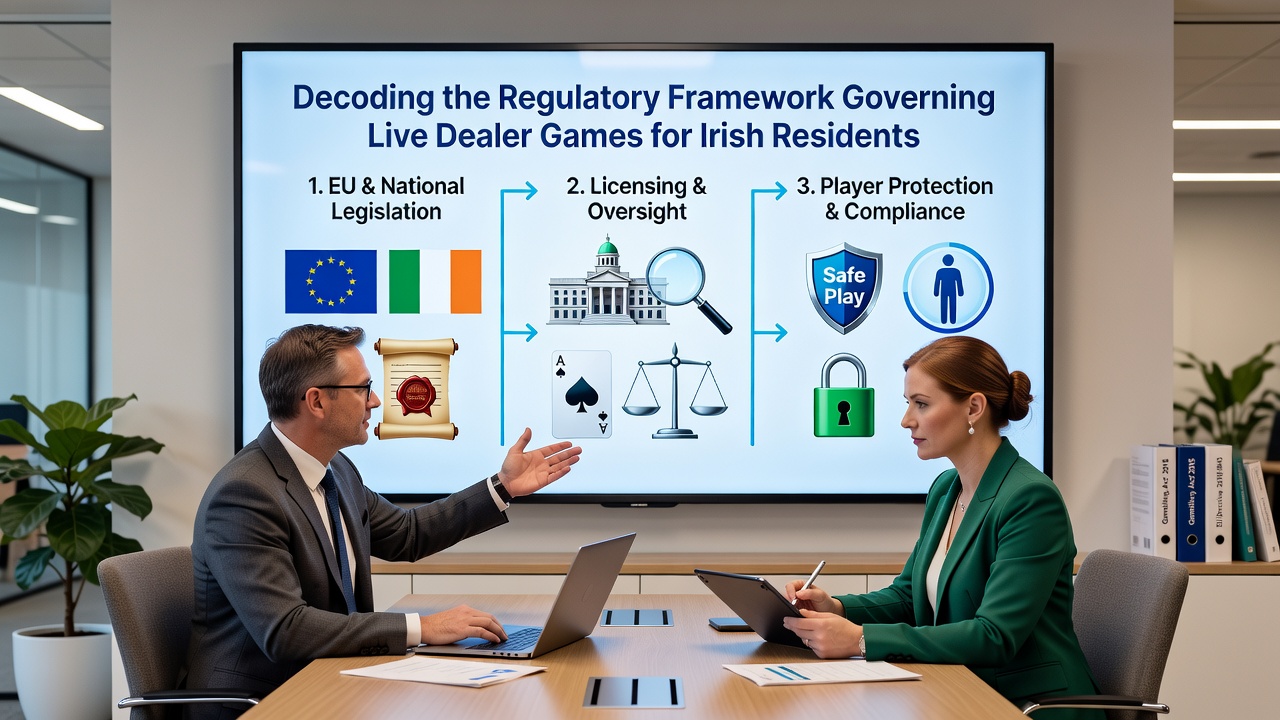
Observers note that updates scheduled for October 2026 will tighten certain technical requirements around live streaming quality and player authentication, requiring operators to adopt enhanced biometric checks in some cases. These changes build on existing legislation rather than replace it, and they reflect broader efforts across the EU to harmonize approaches to online gambling without imposing a single licensing system. Research from academic institutions in several member states indicates that such phased implementation allows regulators to assess impact before full enforcement begins.
Player Protections and Compliance Mechanisms
Irish residents encounter mandatory tools such as deposit limits, reality checks, and self-exclusion registers when playing live dealer games, and these features stem directly from statutory obligations placed on licensed operators. Data shows that participation in the national self-exclusion program blocks access across multiple platforms, with enforcement relying on shared databases that update in real time. Compliance audits examine whether these tools function as intended during live sessions, where the pace of play can differ from automated formats.
Those monitoring the sector point out that advertising rules restrict promotions to licensed channels and require clear statements about responsible gambling resources, while violations trigger fines and potential license suspension. And because live dealer games often feature chat functions between players and dealers, regulators have begun examining moderation policies to prevent inappropriate interactions that could fall outside standard conduct codes.
Conclusion
The regulatory landscape for live dealer games aimed at Irish residents continues to evolve through national legislation and EU alignment, with licensing, technical standards, and player safeguards forming interconnected layers of oversight. Data from ongoing reviews suggests that further refinements will arrive after October 2026, particularly around verification technologies and cross-border cooperation. People who follow these developments see a system designed to balance market access with measurable protections, supported by periodic audits and information exchange among authorities in multiple jurisdictions.